
Wisdom Tooth Extractions – Hackensack, NJ
Safe & Comfortable Wisdom Teeth Care
Wisdom teeth are the last set of permanent teeth to emerge, usually appearing between the ages of 17 and 22. Unfortunately, in most cases, they are not able to erupt correctly and instead become trapped beneath the gums, or impacted. For this reason, the best solution is usually to extract them. Thanks to our in-house oral surgeon, we’re able to provide wisdom tooth extractions at our Hackensack dental office! If you are interested in learning more, give us a call or read on.
Why Choose Anderson Dental Center for Wisdom Tooth Extractions?
- In-House Oral Surgeon: Dr. Mohamed Ali Boukheir
- Multiple Sedation Options Ensure Comfort
- Dental Insurance Welcomed & Maximized
What Are Wisdom Teeth?
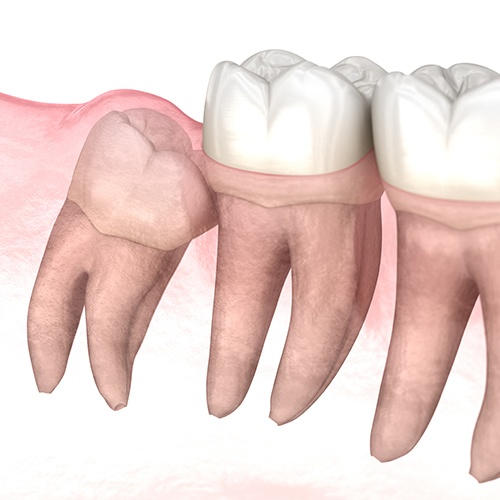
As we mentioned above, wisdom teeth are the third and final set of molars. It’s believed they earned their nickname due to when they erupt (usually between the ages of 17 and 22). Since wisdom comes with age, they started being referred to as “wisdom teeth!”
Why Do Wisdom Teeth Need to Be Removed?

Impacted wisdom teeth can lead to quite a few unpleasant symptoms. If you or your child is experiencing any of the following, it may be time for the wisdom teeth to come out:
- Persistent pain toward the back of the jaw
- Pressure felt on the back teeth
- Swelling or sensitive gums behind the molars
- A flap of gum tissue that traps food particles
- Oral pain in conjunction with fever (which could point toward an infection)
What to Expect from the Wisdom Teeth Procedure
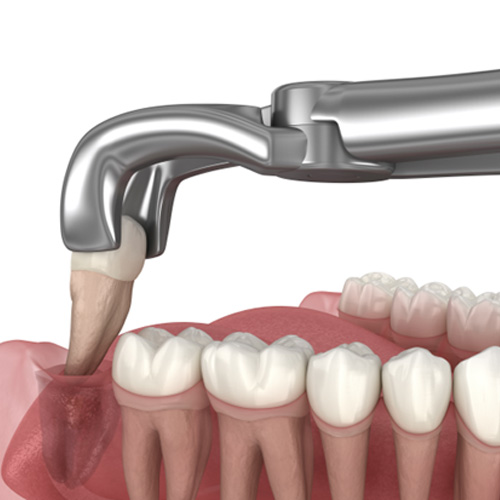
The procedure will be completed with our experienced and caring oral surgeon, Dr. Mohamed Ali Boukheir. If the wisdom teeth that need to be extracted have already broken through the gumline, then he will rock them loose, remove them from the socket, and tend to the extraction site. If they are still trapped underneath the gumline, then he will need to make a small incision in your gums first to access them. Then, he can remove each tooth section by section.
Important reminder: The first step is always to numb your mouth thoroughly to ensure you don’t feel any pain or discomfort.
Recovering from Wisdom Teeth Extraction

A wisdom tooth extraction is a minor surgical procedure, so taking the right steps at home afterward is essential to a fast and easy recovery. Following the treatment, a patient should:
- Take the rest of the day off and relax. Too much physical activity can prolong bleeding and prevent the formation of a clot.
- Refrain from smoking, drinking with a straw, or spitting for 24-48 hours so a blood clot can form.
- Stick to a soft food diet initially and gradually integrate harder foods.
- Continue to practice oral hygiene while being careful around the surgery site.
- Take any pain medication and/or antibiotics as recommended by the dentist.
Understanding the Cost of Wisdom Tooth Extractions

Wisdom teeth may have been helpful for our early ancestors, but today they seem to do more harm than good. A high percentage of people don’t have enough room in their mouths to accommodate wisdom teeth, so they need to be removed. However, this procedure is often put off due to fear of cost. Everyone’s treatment is a little bit different, so the cost can vary. During your consultation, we will discuss the exact cost of your treatment. Until then, here’s what you should take into consideration.
Factors That Can Impact the Cost of Wisdom Tooth Extractions
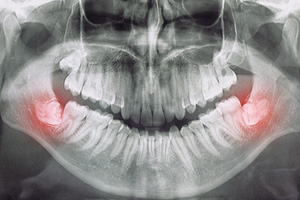
The cost of wisdom tooth extractions can vary. Here are the main factors that influence this.
- Number of Teeth: Some people don’t develop all four of the wisdom teeth. Others may not need all of them removed. We will examine your smile and determine the best treatment course for you.
- Impaction: If you have wisdom teeth that are impacted, the procedure is more complex. This can lengthen the treatment time, increasing the cost.
Does Dental Insurance Cover Wisdom Tooth Extractions?

Wisdom tooth extractions are normally considered to be a “major restorative procedure” by dental insurance providers. This means that after the yearly deductible has been met, and before you have reached your maximum, the procedure is likely to be covered at about 50%. However, this can vary depending on your plan. At Anderson Dental Center, we are happy to accept Delta Dental, MetLife Dental, Aetna Dental, Cigna Dental, Blue Cross Blue Shield, and many more plans!
How to Make Wisdom Tooth Extractions Affordable

If you don’t have dental insurance, this doesn’t mean that you are completely out of luck. We are happy to accept payments through CareCredit – a third-party financing company that can split the cost of your treatment into manageable monthly installments with little to no interest. If you want to learn more or need help applying, let us know!
Wisdom Tooth Extractions FAQs
Why Do We Have Wisdom Teeth?
Many people today find that their wisdom teeth seem to give them nothing but trouble, but these large third molars played an important role in the lives of ancient humans. Before people figured out how to cook their food, humans subsisted on a tough diet of raw plant and animal matter, and the wisdom teeth provided the additional chewing power they needed to pulverize such fibrous and sinewy fare into pulps that could be easily digested. However, human jaws have become smaller on average since then, and people today usually don’t have enough space to accommodate their wisdom teeth, which can lead to chronic pain and other oral health problems when the third molars erupt. In these cases, it’s usually best to remove the wisdom teeth to restore the patient’s health and comfort. Interestingly, some research suggests that eating a tougher diet during early childhood may set a person up to be able to keep their wisdom teeth in adulthood.
Why Are Wisdom Teeth Called That?
Teeth that usually cause pain and all sorts of oral health problems when they erupt may not seem very wise, so it might be strange that the third molars are commonly called wisdom teeth. This name probably comes from the old adage “With age comes wisdom” since the wisdom teeth are the last teeth a person will receive. The third molars typically begin erupting in the late teens or early twenties, which is roughly when adulthood is considered to begin.
Does Everyone Have Wisdom Teeth?
Most people have all four wisdom teeth, but some people have three, two, one, or none. Research suggests that between 5% and 37% of people are missing one or more wisdom teeth, and it is quite likely that genetic factors play a large role in determining how many third molars a person will have. However, you may still have wisdom teeth even if you can’t see them since it’s possible for these third molars to remain submerged in the gum tissue if they fail to erupt properly. The only way to determine precisely how many wisdom teeth you have is to have a dental X-ray at our office in Hackensack. Most people’s wisdom teeth will begin to emerge between the ages of seventeen and twenty-one, but some receive them sooner or later than that.
How Long Does Wisdom Tooth Extraction Take?
You will most likely be sedated while having your wisdom teeth extracted, so it probably will feel as though no time has passed as all. On average, it takes roughly fifteen to twenty minutes to remove a wisdom tooth, and removing all four can take up to ninety. However, the exact timeframe for your procedure will depend on a variety of factors like the tooth’s location, how it is angled, and whether it is impacted. The team at Anderson Dental Center will be happy to provide you with a proper timeframe estimate for your wisdom tooth extractions when we see you at our Hackensack office for your consultation.